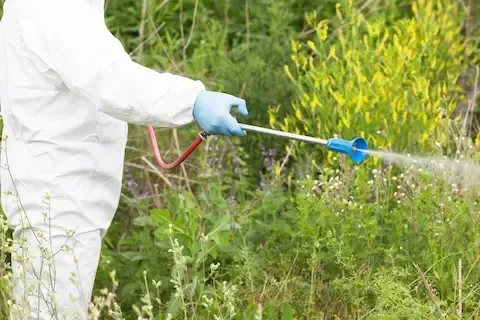
Pre-Emergent Crabgrass Control in Bloomington MN April
April in Bloomington, MN is the window that separates homeowners who enjoy a clean lawn all summer from those who spend July pulling crabgrass out of their turf by hand. Crabgrass is an annual weed, which means it dies each fall and germinates fresh from seed every spring. That single biological fact is what makes pre-emergent herbicides so effective — and so time-sensitive. Once the seeds sprout, the window closes and your only option is post-emergent treatment, which is harder on your lawn and less reliable. Getting ahead of the problem in April is the single highest-leverage thing you can do for your Bloomington lawn this season.
Why Soil Temperature Is the Only Clock That Matters
Crabgrass does not germinate on a calendar schedule. It germinates when soil temperatures at a two-inch depth reach and hold around 55 degrees Fahrenheit for several consecutive days. In Bloomington, that threshold typically arrives somewhere between late April and early May, but the exact timing shifts year to year depending on how the winter breaks and how quickly the ground warms. A cold, slow spring can push germination back by two weeks. An early warm stretch in April can pull it forward.
The practical implication is that you cannot simply mark a date on your calendar and assume you are covered. You need to track soil temperature actively. A basic soil thermometer costs less than ten dollars and takes readings in under a minute. You can also check resources like the University of Minnesota Extension, which publishes growing degree day data relevant to the Twin Cities metro, including Bloomington and surrounding suburbs. Pre-emergent herbicide must be applied and watered in before soil temps hit that 55-degree trigger. Applying after germination has already begun wastes product and does nothing to control existing seedlings.
How Pre-Emergent Herbicides Actually Work
Pre-emergent products do not kill existing plants. They create a chemical barrier in the soil that disrupts cell division in germinating seeds, preventing the seedling from establishing roots and a shoot. Once that barrier is in place and activated by water, it intercepts crabgrass seeds as they attempt to sprout.
The two most common active ingredients available to homeowners in the Bloomington area are pendimethalin and prodiamine. Both are effective and widely available at hardware and garden centers in the metro. Prodiamine tends to have a longer residual window, which gives you more margin if your timing is slightly off or if you get a cool spell followed by a later surge in germination. Pendimethalin is equally common and performs well when applied correctly. Granular formulations are the most practical for residential lawns because they apply through a standard broadcast spreader and activate when you water the lawn or after a rain event of at least a quarter inch.
When you are thinking through your full-season approach, reviewing a fertilizer and weed control master plan can help you coordinate pre-emergent timing with your fertilization schedule so the two treatments support each other rather than overlap in ways that stress your turf.
The Overseeding Conflict You Cannot Ignore
Pre-emergent herbicide does not distinguish between crabgrass seeds and grass seeds. If you apply a pre-emergent barrier and then try to overseed thin or bare areas of your lawn in spring, the new grass seed will fail to germinate for the same reason the crabgrass does. This is one of the most common and frustrating mistakes Bloomington homeowners make, and it creates a real planning dilemma.
You have two workable options. The first is to skip overseeding in spring entirely and plan your turf repair for late August or early September, which is actually the superior seeding window for cool-season grasses like Kentucky bluegrass and tall fescue that are common in Bloomington lawns. Fall seeding benefits from cooling temperatures, reduced competition from weeds, and adequate moisture. The second option is to overseed specific bare patches in early spring before applying pre-emergent, give the seed at least eight weeks to establish, and then apply pre-emergent later in the season for any remaining exposed areas. Both approaches require intentional planning, not last-minute decisions.
Application Mistakes That Reduce Effectiveness
Even a well-timed application can underperform if execution is off. The most common mistakes in Bloomington lawns include applying at the wrong rate, skipping the activation step, and missing edge areas where crabgrass pressure is highest.
Always calibrate your spreader to the rate listed on the product label for your lawn type. Applying too lightly leaves gaps in the barrier. Applying too heavily does not improve effectiveness and risks burning turf, particularly on sandy soils that are common in parts of the Bloomington area near the Minnesota River corridor. The activation step — getting at least a quarter inch of water on the lawn within a few days of application — is non-negotiable. Without moisture, the herbicide particles sit on the surface and do not form the soil barrier they are designed to create.
Edge areas along driveways, sidewalks, and curbs receive more heat from reflected sun and pavement and warm up faster than the center of your lawn. Crabgrass germination often begins in these zones first. Pay attention to coverage along all hard edges and do not rush past them with the spreader.
Choosing Professional Application in Bloomington
If you prefer to hand off timing decisions and product selection entirely, professional weed control services in Bloomington can monitor soil temperature conditions and apply pre-emergent at the correct window for your specific property. This is particularly valuable for properties with complex layouts, significant edge exposure, or existing thin turf that requires a more carefully managed approach.
Bloomington's location in the southern Twin Cities metro means it tends to warm slightly earlier than northern suburbs like Maple Grove or Brooklyn Park, which can make the April application window feel compressed when a warm week arrives unexpectedly. Having a service already scheduled removes the risk of missing that window because of a busy week at work or an unexpected travel conflict.
Setting Up the Rest of Your Season
Pre-emergent is a foundation, not a complete lawn care strategy. A successful application in April buys you a clean slate through the summer, but your lawn still needs consistent fertilization, proper mowing height, and adequate irrigation to stay dense and competitive against late-season broadleaf weeds and any crabgrass that finds a gap in coverage. Think of April as the first move in a longer game, and plan your follow-up treatments before the soil even thaws.

