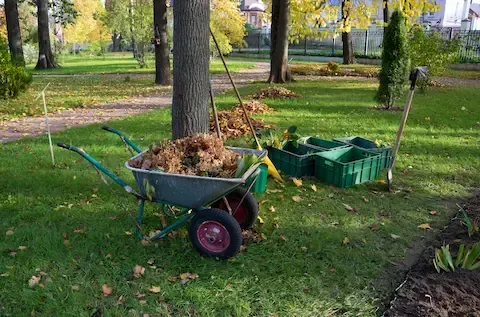
Spring Yard Cleanup Schedule for Bloomington Homes
Bloomington yards take a beating every winter. Between the hard freezes, heavy snow loads, and the long stretch of freeze-thaw cycling that comes with Zone 4b and 5a conditions, your lawn and landscape enter spring in rough shape. A structured cleanup schedule helps you work efficiently, avoid damaging new grass growth, and set the lawn up for a strong growing season. Jumping in too early causes compaction and turf damage. Waiting too long lets problems like snow mold and matted debris stunt recovery. The week-by-week approach below is built around Bloomington's actual climate patterns and what turf typically needs after a Minnesota winter.
Understanding Bloomington's Spring Timeline
Bloomington sits at the edge of USDA Hardiness Zones 4b and 5a, which means average last frost dates fall somewhere between late April and mid-May. Snow cover can linger into late March, and soil temperatures in April are still too cold for aggressive lawn work. The Mississippi River corridor, Hyland Lake area, and neighborhoods near the Minnesota River bottomlands tend to hold moisture longer, which affects how quickly you can safely walk on turf without compacting wet soil.
The rule of thumb for Bloomington lawns is this: if your foot leaves a deep impression in the turf, the soil is still too saturated for heavy foot traffic, raking, or equipment. Patience in early spring pays dividends all season.
Week One: Snow Mold Assessment and Debris Scan
As soon as consistent snow cover melts off your lawn — typically late March to early April in Bloomington — do a full walkthrough before touching anything. You're looking for three things:
- Snow mold patches: Gray snow mold and pink snow mold both show up in Bloomington after long snow cover. Look for circular matted patches of grass, anywhere from a few inches to two feet across. Gray snow mold usually resolves on its own once the turf dries and air circulates. Pink snow mold is more aggressive and may need treatment.
- Winter debris: Branches, leaves that blew in, sand from road crews, and any piled-up debris from snowplowing need to be catalogued so you know where to focus.
- Matted grass: Long grass that was flattened under snow can suffocate new growth. Identify these areas for light raking once the soil firms up.
Do not rake or disturb snow mold areas yet. The turf needs a few dry days to start recovering before you introduce any mechanical stress.
Week Two: Light Raking and Surface Cleanup
Once soil has had time to drain and firm up — usually one to two weeks after snowmelt, depending on how wet April is — you can begin light raking. The goal here is to lift matted grass and remove the surface layer of debris without tearing up crowns or pulling out weak turf that hasn't anchored itself post-winter.
Use a flexible leaf rake, not a stiff tine rake. Work in one direction, not back and forth. Focus especially on areas where leaves or mulch piled up against the house, under trees, or along fences. These spots dry out slower and are more prone to fungal issues as temperatures warm.
This is also a good week to clear out planting beds, pull back mulch from perennial crowns so they can warm up, and remove any broken branches from shrubs that may have suffered under snow load. Bloomington neighborhoods with mature trees — areas around Bush Lake, Normandale, and along Penn Avenue — often see more significant branch drop after heavy winters.
Week Three: Soil Assessment and Pre-Mow Prep
By mid-April, most Bloomington lawns are transitioning out of dormancy. Soil temperatures are climbing toward the 45–50°F range where cool-season grasses start active root growth. This week focuses on preparation rather than intervention.
- Check for frost heave: Perennial plants, edging, and hardscape elements near your foundation may have shifted. Reset anything that's out of place before mowing season begins.
- Assess bare spots: Note thin or dead areas now so you can schedule overseeding for late April or early May when soil temps support germination of Kentucky bluegrass or fine fescue, both common in Bloomington residential lawns.
- Inspect irrigation heads: If you have an in-ground system, check for any heads damaged by frost or snowplow activity before the system gets activated.
If you're planning a soil test this season, collect samples now. The University of Minnesota Extension recommends Zone 4b and 5a homeowners test soil every two to three years, and spring is an ideal time before you apply any fertilizer or amendments.
Week Four: First Mow Timing and Post-Cleanup Considerations
The first mow of the year is one of the most important cuts you'll make. Mowing too early on soft, wet soil compacts it and stresses grass that's barely awake. The general target for Bloomington lawns is when turf has reached 3.5 to 4 inches and soil temperature is consistently above 45°F — usually late April to early May.
Set your blade height to 3 inches for the first cut. Never remove more than one-third of the blade length at once. If your lawn came through winter looking thin, a higher first cut reduces stress and gives the turf a chance to thicken through lateral spreading before summer heat arrives.
This week also works well for applying a pre-emergent crabgrass control if that's part of your plan. Timing in Bloomington typically aligns with forsythia bloom — when you see it flowering in yards around the city, crabgrass germination is approaching. Pre-emergent applications after that window are less effective.
If you want a complete reference for what spring and fall cleanup should look like across the full year, the spring and fall cleanup calendar lays out the seasonal sequence in detail.
Common Mistakes Bloomington Homeowners Make in Spring
A few patterns come up repeatedly that set lawns back before summer even starts:
- Walking on saturated turf too early: Soil compaction in wet conditions restricts oxygen to roots and creates drainage problems that persist all season.
- Aggressive raking of snow mold patches: Pulling up matted turf before it has dried and started recovering can rip out crowns that would have recovered on their own.
- Fertilizing too early: Applying nitrogen to dormant or barely-active turf in early April pushes shoot growth before root systems are ready. Wait until the lawn is actively green and growing.
- Skipping the debris scan: Sand and gravel from road maintenance that sits on the lawn through May can smother grass and alter soil pH in localized spots.
When to Bring in Professional Help
Some spring cleanup tasks are straightforward DIY work. Others are easier, faster, and more effective with professional equipment and trained eyes. If your lawn has widespread snow mold that isn't recovering by late April, significant thatch buildup that needs power raking, or multiple bare patches that require seeding and prep work, getting professional support early in the season puts you ahead of the recovery curve.
For homeowners who want consistent seasonal results without managing the timing themselves, seasonal cleanup services handle the full sequence from post-thaw assessment through first-mow prep, with knowledge of what Bloomington turf needs at each stage.
Spring in Bloomington is short. The window between "too wet to work" and "summer drought stress" runs only a few weeks. A clear schedule, realistic timing expectations, and attention to what your specific turf conditions look like after winter will get your lawn into summer in the best possible shape.

